
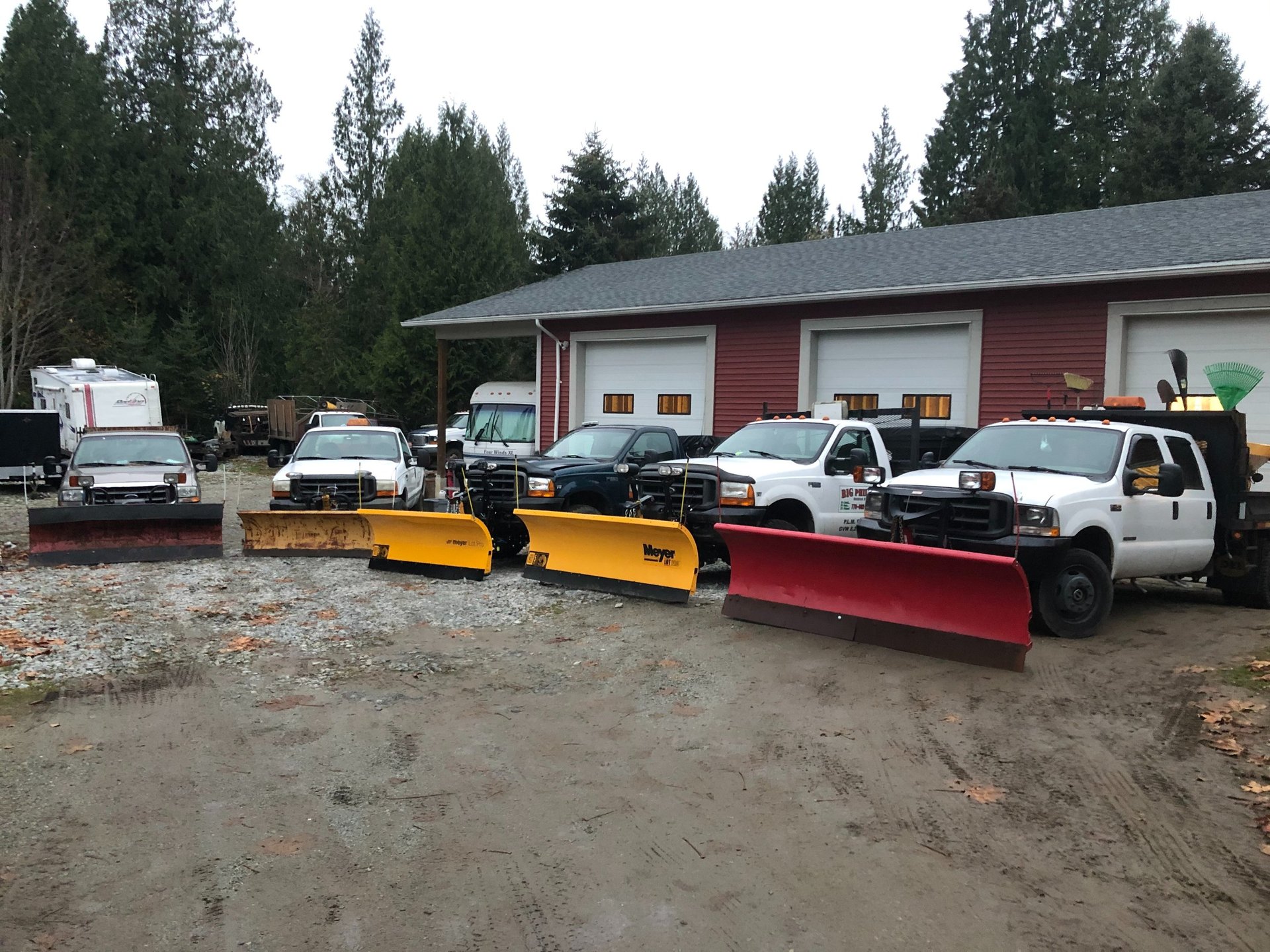
Is Ice prevention needed.
The ins and outs of ice prevention and why it is important.
Phil
11/24/20252 min read


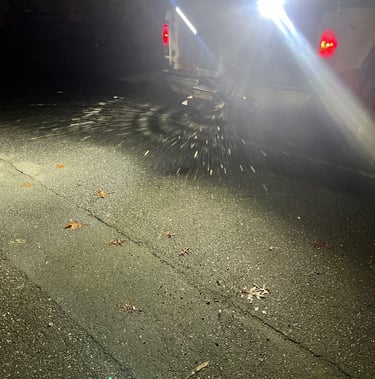
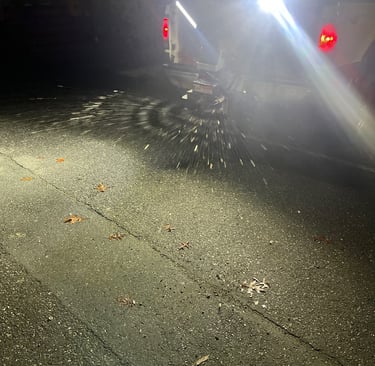
Salting parking lots and sidewalks is a crucial practice during the winter months, particularly in regions that experience heavy snowfall and freezing temperatures. The primary purpose of salting is to prevent the formation of ice on surfaces where pedestrians and vehicles move. It is essential for maintaining safety and minimizing the risk of accidents, including slip and fall incidents, which have been on the rise in Canada. According to recent statistics, slip and fall claims have increased significantly due to icy conditions, leading to serious injuries among individuals of all ages.
In Canada, the increase in these claims often correlates with winter weather patterns. As temperatures drop, the likelihood of ice formation increases, making it imperative that parking lots and sidewalks are adequately salted. Many property owners and managers may overlook this vital maintenance step, resulting in unsafe conditions that can lead to legal liabilities. The costs associated with slip and fall claims can be substantial, both in terms of medical expenses and potential lawsuits.
Salting is not just a preventive measure, it is a legal obligation under many municipal regulations. Failing to properly salt and maintain sidewalks and parking lots can leave property owners vulnerable to litigation. It is strongly advised that businesses and homeowners alike prioritize the salting of surfaces to protect not only the public but also themselves from potential financial repercussions. The benefits of salting extend beyond safety, they help foster an environment of trust and responsibility within communities from Coquitlam to Maple Ridge.
In conclusion, salting parking lots and sidewalks is extremely important for ensuring public safety during winter. By taking proactive measures to mitigate ice formation, property owners can significantly reduce the risk of slip and fall accidents while also protecting themselves from increasing liability claims.
We would love to hear from you.
Contact
Here to help with all your snow removal needs
Phone
info@snowremovalexperts.com
778-900-0717
© 2025. All rights reserved. Big Phil's Rubbish Rmeoval DBA Snow Removal Experts