

Is Snow Removal Important for Stratas?
Strata and apartment buildings always ask themself, Is snow removal Important? This is an informative post and the short answer is YES!
12/1/20255 min read
Understanding the Legal Risks of Inadequate Snow Removal
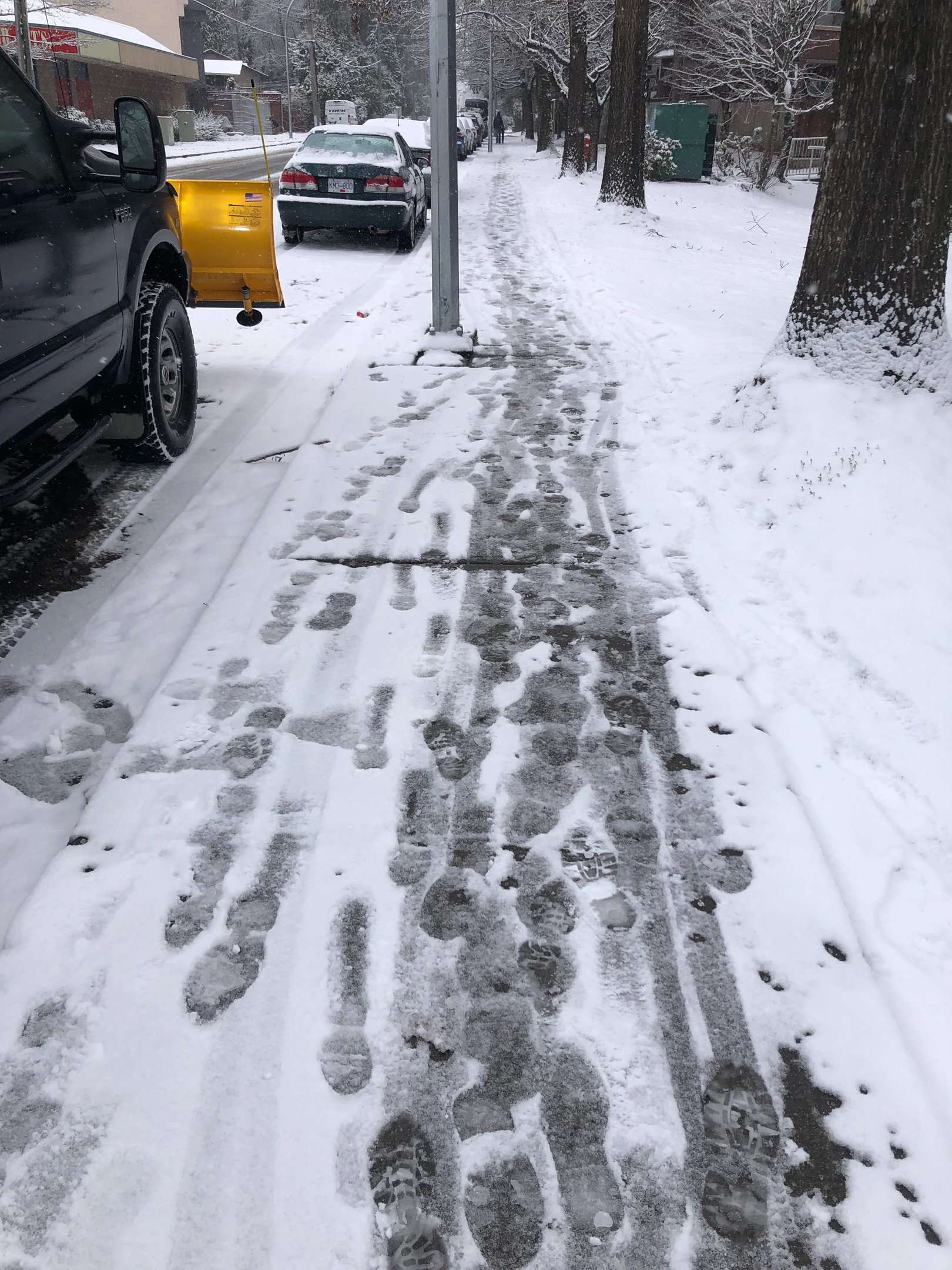
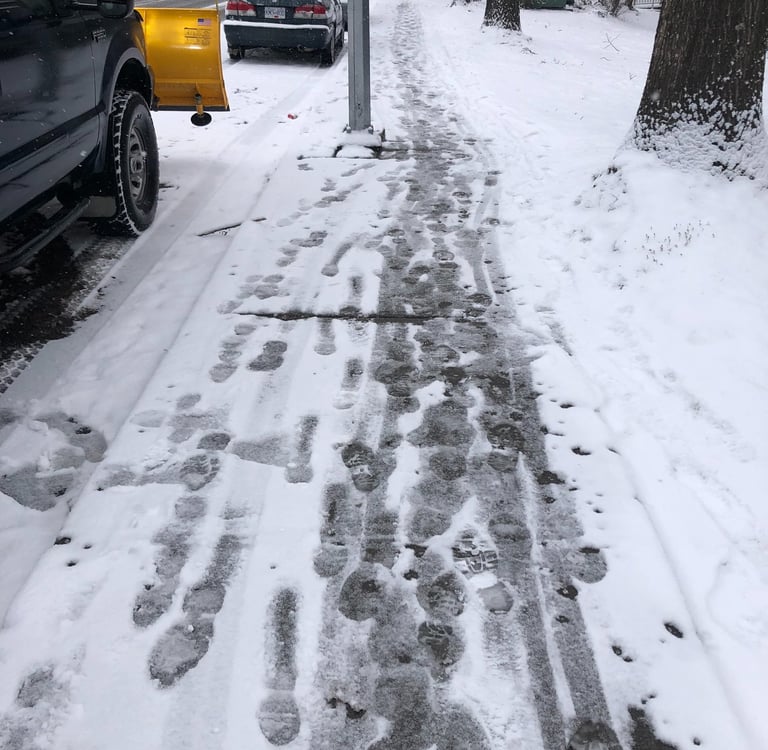
In the context of strata properties, the importance of effective snow removal cannot be overstated. From Langley to Pitt Meadows, property managers and owners face significant legal risks if they fail to provide sufficient snow clearing services. In many jurisdictions, local laws and regulations impose specific obligations on strata corporations regarding snow removal. This includes maintaining clear access pathways, parking areas, and emergency exits throughout the winter months. Failure to comply can result in severe consequences.
Among the most pressing concerns is the increased likelihood of slip-and-fall accidents due to accumulated snow and ice. These incidents are not only detrimental to residents and visitors, but they can also lead to substantial liability claims against the strata management or property owners. If an individual sustains an injury as a result of inadequate snow removal, they may pursue legal action to recover damages for medical expenses, lost wages, and pain and suffering. Such lawsuits can be costly and time-consuming, potentially jeopardizing the financial stability of the strata.
Furthermore, strata corporations must understand their legal responsibilities related to maintenance and safety. In many regions, the standards of care expected from property managers are influenced by local ordinances, which dictate the level of diligence required in snow removal efforts during winter storms. Recognizing these obligations is essential for effective risk management.
To mitigate liability exposure, it is prudent to maintain thorough documentation of snow removal activities. This includes records of when snow was cleared, methods employed, and any communications with residents regarding snow conditions. Such documentation can serve as crucial evidence in defending against potential claims. Ultimately, ensuring proper snow removal not only protects the well-being of all residents but also safeguards the strata from legal disputes and associated financial risks.
Impact on Residents and Accessibility
The presence of snow in strata properties can pose significant challenges for both residents and visitors alike. Inadequate snow removal practices can lead to dangerous conditions, making pathways treacherous and thereby complicating daily commutes. For residents, navigating through accumulated snow can be hazardous, particularly for those with mobility issues or elderly individuals who may require additional support. The obstructed pathways can lead to slips, falls, and potential injuries, underscoring the importance of effective snow management.
Furthermore, the accumulation of snow impairs access to entrances, which is particularly problematic for emergency services. If a snowstorm blocks vital access points, it can delay crucial assistance during emergencies, posing a serious risk to residents. Regular and timely snow removal ensures that entrances and pathways remain clear, providing a safe passage for all individuals accessing the strata property.
Snow can also complicate vehicular access, as parked cars may become buried, and roadways can become impassable. This not only inconveniences residents who rely on vehicles for their daily activities but can also lead to accessibility issues for delivery services, maintenance workers, and visitors. In addition to mobility concerns, the aesthetic aspect of the property may be compromised when snow is allowed to pile up, detracting from the overall appeal of the strata community.
Therefore, implementing a proactive snow removal strategy is essential for maintaining safe and accessible environments within strata properties. It ensures that pathways are navigable, entrances are approachable, and emergency services can operate unimpeded. In essence, effective snow management enhances the quality of life for all residents while fostering a welcoming atmosphere for visitors.
Importance of
Regular Salting
and Ice Control
Effective winter maintenance for strata properties involves a multifaceted approach, with regular salting and ice control playing a pivotal role in ensuring safety and accessibility during the colder months. Snow and ice pose significant hazards; therefore, proactive measures such as salting are essential in preventing the formation of ice on walkways, parking lots, and other common areas. By applying salt before ice can form, strata managers significantly reduce the risks of slips and falls, which can lead to serious injuries. The implementation of preventive strategies contributes to safer walking and driving conditions for residents and visitors alike.
Regular salting is critical not only for immediate safety but also for long-term maintenance. When ice is allowed to develop, it can create more complex and costly removal challenges. By incorporating a salting regimen into winter maintenance plans, strata properties can mitigate these issues before they escalate. Salting helps melt ice upon contact, providing an essential layer of protection against the perils of icy surfaces. To maximize the effectiveness of salting efforts, it is crucial to employ best practices for its application. This includes selecting appropriate materials—such as rock salt or calcium chloride—and determining optimal timing for salting, ideally during or just before precipitation is expected.
The effectiveness of salting also depends on environmental conditions, including temperature and humidity, highlighting the need for timely monitoring and adjustments to maintenance strategies. It's essential for strata managers to stay informed about weather forecasts and have a responsive plan in place. Regular training and updates on the latest winter maintenance techniques can further enhance safety measures and ensure compliance with local regulations. Overall, the importance of regular salting and ice control cannot be overstated, as these practices are integral to maintaining a safe and accessible environment for all members of the strata community.
Long-term Benefits of Effective Snow Removal Strategies
Implementing effective snow removal strategies is crucial for strata properties, as it delivers numerous long-term benefits that positively impact both residents and the property itself. One of the primary advantages is enhanced safety. By proactively managing snow and ice, strata managers can significantly reduce the risk of slips and falls, accidents that can lead to serious injuries. This not only protects residents and visitors but also minimizes the potential for legal liabilities associated with accidents occurring on the property.
Moreover, maintaining clear pathways and access points during winter months contributes to greater accessibility for all residents, including those with mobility challenges. This commitment to safety and accessibility ultimately enhances the reputation of the strata community. A well-maintained property signals to both current and prospective residents that the strata management is attentive and responsible, thereby preserving property values and improving overall desirability.
Additionally, investing in reliable snow removal services can be a proactive financial strategy for strata owners. While there may be an upfront cost associated with hiring professional snow removal contractors, the long-term savings can be substantial. By reducing the likelihood of property damage due to heavy snow accumulation or ice-related issues, strata owners can decrease ongoing maintenance expenses. Furthermore, a consistent snow removal plan can prevent the emergence of serious problems, such as roof collapses or sidewalk damage, which may require extensive repairs and financial outlay.
Ultimately, a well-structured snow removal strategy fosters a strong sense of community among residents. When snow is consistently managed and removed, it enables residents to engage more freely with one another, promoting social interaction and cooperation within the community. This cohesion can lead to enhanced satisfaction among residents, contributing to an overall positive living environment.

Contact
Here to help with all your snow removal needs
Phone
info@snowremovalexperts.com
778-900-0717
© 2025. All rights reserved. Big Phil's Rubbish Rmeoval DBA Snow Removal Experts